Preserving Fresh Produce Quality with Multi-Zone Cold Rooms
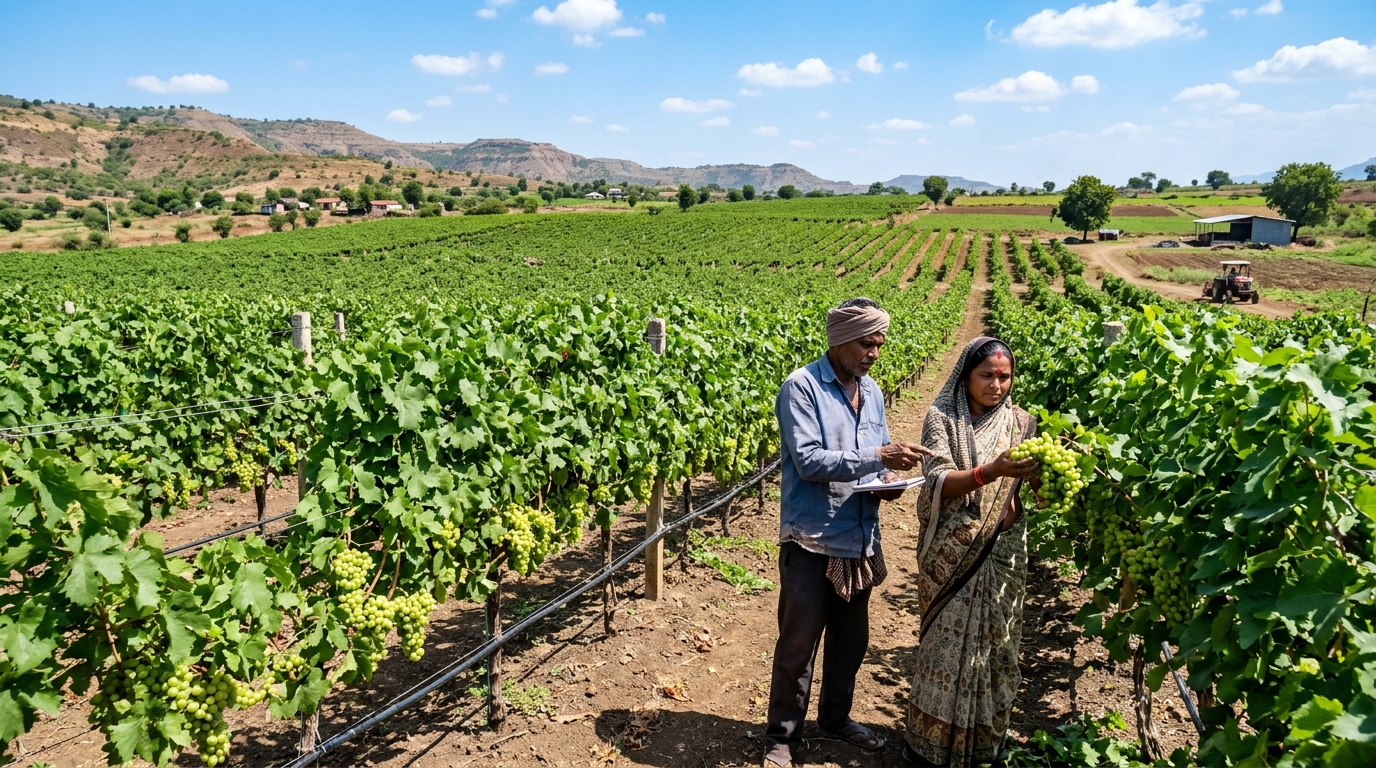
Nashik district produces over fifty percent of India's commercial table grapes and a major portion of its export-grade onions. Minimizing post-harvest field heat is vital to maintaining shelf life.
The new terminal features computerized pre-cooling chambers and multi-temperature storage zones that chill freshly harvested produce to precisely 0.5 degrees Celsius within six hours of orchard picking.
Integrated nitrogen flushing systems extend produce longevity, allowing export consignments to reach Middle Eastern and European supermarket shelves in prime fresh condition.
Digital Single-Window Quarantine and APEDA Clearance
The facility incorporates an on-site testing laboratory accredited by the Agricultural and Processed Food Products Export Development Authority (APEDA).
Phytosanitary inspection certificates and export customs filings are completed digitally within four hours, eliminating transit delays that historically caused produce spoilage.
Operational Engineering and Metrological Telemetry: Field Metrics
Detailed field investigations conducted across Western Maharashtra reveal that rigorous standardization and telemetry protocols form the operational backbone of this initiative. Modern instrumentation and automated data loggers continuously monitor key operational variables, minimizing human error and providing real-time data feeds to regional command centers.
Under standard operational procedures, field technicians conduct periodic multi-point calibrations against certified reference standards. This continuous measurement feedback loop ensures that environmental, structural, and mechanical tolerances remain strictly within regulatory thresholds established by state monitoring boards.
Statutory Governance, Institutional Audits, and Workforce Compliance
Compliance frameworks governing these operations are strictly aligned with Maharashtra state guidelines and central statutory mandates. Regular third-party technical and environmental audits are performed by accredited engineering agencies to verify structural stability, workplace safety standards, and environmental mitigation protocols.
Furthermore, structured vocational training modules have been established for regional technical personnel, ensuring that operators and supervisory staff are fully qualified to maintain advanced equipment without external dependency. This institutional capacity building represents a critical asset for long-term operational resilience.
Socio-Economic Multipliers and Regional Development Horizons
Beyond immediate operational and infrastructure dividends, the initiative provides substantial economic multipliers for surrounding communities. Local manufacturing workshops, specialized material suppliers, and maintenance technicians experience direct commercial growth through supply-chain formalization.
Community representatives and regional industry associations emphasize that continued state capital investment in these modernized systems fosters long-term civic stability. By bridging traditional craftsmanship with precision engineering, the project establishes a robust benchmark for sustainable regional advancement across Western India.